
Cybersecurity guides, start to finish.
Five comprehensive guides covering penetration testing, industry compliance, password security, and the fundamentals — each one links out to our full library of practitioner-written articles on the topic.
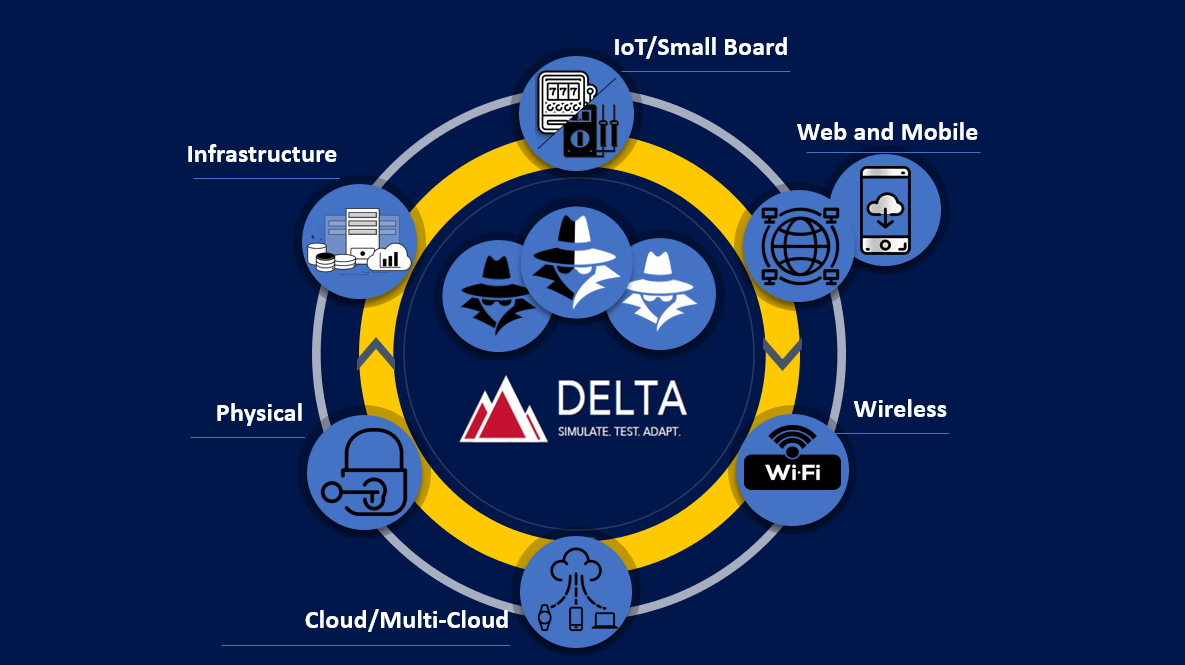
Types of Penetration Testing: The Complete Guide
Every major type of penetration test explained — black, white, and gray box; web, mobile, cloud, IoT, physical, wireless, and social engineering — with what each one actually tests and when to use it.
Read the guide →
Penetration Testing Buyer's Guide: When, Why, and How to Get Started
Everything to know before you book a penetration test — when you need one, which regulations require it, how to spot a real engagement versus a scan, and how to choose a provider.
Read the guide →
Penetration Testing by Industry & Compliance: The Complete Guide
Which regulations and industries require or recommend penetration testing — GLBA, CTPAT, CIRCIA, NIST, EU RED — and sector-specific guidance for finance, auto, energy, medical devices, and government.
Read the guide →
Password & Access Security: The Complete Guide
How passwords actually get cracked, why attackers bother, the ten rules that make a password strong, and the six types of MFA — everything you need to lock down access.
Read the guide →
Cybersecurity Fundamentals: Threats Every Business Should Know
Core cybersecurity awareness for businesses — common myths, ransomware, budget planning, public Wi-Fi risk, real breach case studies, and recent vulnerabilities worth knowing.
Read the guide →Two free PDFs from our certified pentesters.
A Pentester's Guide: OSINT, Breach Dumps & External Footholds
The full external attack chain — from passive recon and LinkedIn OSINT to breach dumps, hash capture, and WAF bypass.
Get the Free Guide →The Reverse Shell Reference Every Pentester Keeps Open
Bash, Python, PHP, PowerShell, Netcat, Ruby & NodeJS — copy-paste ready syntax built from real engagements.
Get the Free Reference →Find out where you stand — free.
Take the free online risk assessment, or start with a confidential conversation about your risk, threats, and current cybersecurity posture.
Take the Free Risk Assessment